Salmonella is a type of bacteria that leads to a food-borne illness known as salmonellosis, a common form of food poisoning. In the United States, it’s estimated to sicken about 1.35 million people each year, making it the top cause of hospitalizations and deaths related to food poisoning. Dr. Elizabeth Hohmann, an infectious disease specialist at Massachusetts General Hospital, notes that Salmonella can be particularly deceptive, not only by causing unusual complications but also by infecting individuals in unexpected ways. She recalls treating a patient who presented with an infected abdominal aortic aneurysm—a dangerous bulge in the lower part of the body’s largest artery—and testing revealed Salmonella as the surprising culprit. “It’s just an interesting organism and it can be kind of scary,” she says.
Many infections stem from consuming raw or undercooked foods where Salmonella bacteria hide. Common culprits include breaded raw chicken products like nuggets and chicken Kiev, but a wide range of items have been linked to outbreaks, such as organic basil, cantaloupes, ground beef, nut butters, raw cookie dough, eggs, raw or unpasteurized milk, and flour. Backyard poultry are another significant source, and even small pets like turtles and frogs, along with dog food, have contributed to multistate outbreaks in recent years. Infection can occur by handling contaminated food and transferring bacteria from hands to mouth, or by spreading it to others through hands or clothing without showing symptoms oneself. Dr. Hohmann explains, “It’s a bug that’s carried in stool and animal feces and is also present in the environment. So it can set up shop in lots of different inanimate objects, soils, and machinery, especially in moist environments.”
Most Salmonella infections result in gastroenteritis, typically causing symptoms like an upset stomach, abdominal cramps, and diarrhea. These can begin as early as six hours after ingestion and usually resolve on their own within two to three days. Some individuals experience such mild symptoms they’re hardly noticeable. Dr. Hohmann describes a typical scenario: “The classic case might be a college student who eats a burrito from a sketchy place, gets sick for a couple of days, gets better, and doesn’t think anything of it.” However, more severe symptoms, such as intense abdominal cramping, bloody diarrhea, high fever, or marked fatigue, warrant a call to a doctor.
Treatment for salmonellosis often involves self-care, as most people recover without medication. Staying hydrated by sipping water or electrolyte drinks is crucial to prevent dehydration. Medical attention is advised if symptoms include diarrhea with a fever above 102°F, diarrhea that persists beyond three days, bloody stools, or vomiting so severe it prevents keeping liquids down. Dr. Hohmann highlights a paradox with antibiotic treatment: if prescribed, the person may shed the bacteria longer than if untreated, potentially spreading it to others through poor hygiene, sexual contact, or as a food worker. “It’s challenging,” she notes.
While many recover quickly, some individuals face greater risks of serious infection. Vulnerable groups include adults aged 65 and older, pregnant women, children under five, and those with weakened immune systems due to conditions like cancer or treatments such as immunosuppressing drugs. In a small percentage of cases, Salmonella can enter the bloodstream, spreading to areas like the urinary tract, bones, joints, or central nervous system. Rarely, as seen in Dr. Hohmann’s patient, it can lead to unusual blood vessel complications in people with pre-existing atherosclerosis, where plaque buildup blocks arteries.
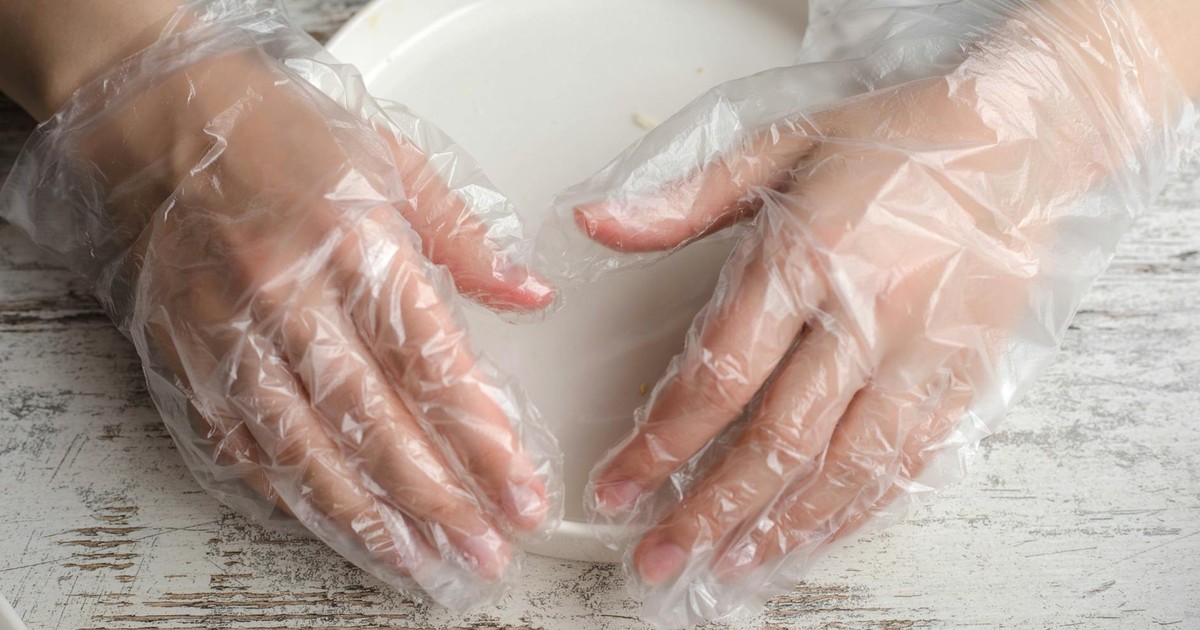
Preventing Salmonella exposure involves practical steps to reduce the risk of food poisoning and related illnesses. Dr. Hohmann and the CDC recommend washing cutting boards and plates with hot water and soap after contact with raw foods, including vegetables and fruit, before using them for other purposes. Using separate cutting boards for produce, meat, and fish is ideal. Refrigerate or freeze perishable, prepared, or leftover foods within two hours to inhibit bacterial growth. Always wash hands thoroughly with soap and water before food preparation and after contact with animals, using the toilet, or changing diapers. Extra care is needed when handling feces from sick pets.
Additional precautions can help protect more vulnerable individuals. Young children should avoid touching high-risk animals like turtles, frogs, chickens, or ducks. Dr. Hohmann advises, “And if you’re taking young children to a petting zoo, they should not be petting animals unless you can disinfect their hands immediately afterward.” Older adults and those with compromised immune systems should ensure foods are washed and cooked thoroughly. People who have undergone transplants, such as kidney transplants, should avoid keeping reptiles or amphibians as pets. Dr. Hohmann concludes, “You hate to make people paranoid, so that we’re washing our lettuce leaves with soap, but it’s worth thinking about these things, particularly if you have people in your household who are susceptible—which is an increasing number of people.”