In a groundbreaking development, the New England Journal of Medicine has today published the results of the largest-ever study on fecal microbiome transplants (FMT), offering new hope for patients suffering from recurrent Clostridioides difficile (C. diff) infections. This landmark study, involving 1,200 participants across 40 medical centers in the United States, demonstrates a notable 68% remission rate among those who received FMT, substantially surpassing the 34% rate observed in the vancomycin control group. As the medical community grapples with the challenges of antibiotic-resistant infections, these findings could pivotally reshape the treatment landscape for C. diff, a persistent and debilitating gastrointestinal condition. By highlighting the profound potential of microbial interventions, the study not only enhances our understanding of gut health but also underscores the critical role of microbiota in disease management.
Context
Clostridioides difficile infection remains a significant public health concern, particularly in healthcare settings where antibiotic use is prevalent. Characterized by severe diarrhea and colitis, C. diff infections are notoriously difficult to treat, often requiring multiple courses of antibiotics. Unfortunately, recurrence is common, with up to 20% of patients experiencing a return of symptoms after initial treatment. Historically, antibiotic therapy, especially with drugs like vancomycin, has been the frontline defense. However, the growing threat of antibiotic resistance and the limited efficacy of traditional treatments have prompted the exploration of alternative therapies, such as fecal microbiome transplants.
Fecal microbiome transplants involve the transfer of stool from a healthy donor to the gastrointestinal tract of a patient. This procedure aims to restore the natural balance of bacteria in the gut, which can be disrupted by antibiotic use and infection. Over the past decade, FMT has emerged as a promising intervention for recurrent C. diff, with smaller studies indicating its potential efficacy. However, until now, large-scale evidence to support its widespread adoption was lacking. The newly published study, leveraging the robust infrastructure of 40 diverse medical centers, provides the comprehensive data needed to evaluate the benefits and limitations of this procedure.

Today’s publication marks a significant milestone in the field of microbiome research. By documenting not only the clinical outcomes of FMT but also the microbiome engraftment patterns, the study offers insights into how donor bacteria establish themselves in recipients and the specific microbial shifts that correlate with successful treatment outcomes. This groundbreaking research thus sets the stage for refining FMT protocols to maximize therapeutic success, potentially benefiting thousands of patients suffering from recurrent C. diff infections.
What Happened
The study, published in the New England Journal of Medicine, involved a rigorous clinical trial that compared the outcomes of fecal microbiome transplants to the antibiotic vancomycin in patients with recurrent C. diff infections. Spanning 40 medical centers across the United States, the trial included 1,200 patients who had experienced multiple episodes of C. diff despite standard treatment. Participants were randomly assigned to receive either the FDA-approved Rebyota fecal microbiota product or a course of vancomycin.
Results at the eight-week mark were compelling: 68% of the FMT recipients achieved durable remission, meaning their symptoms did not return, compared to only 34% in the vancomycin group. This significant difference highlights the potential of FMT as a more effective treatment strategy for recurrent C. diff. The study’s authors noted the rapid engraftment of donor microbiota, particularly Firmicutes species, within just 72 hours of FMT, suggesting that these bacteria play a critical role in suppressing the infection and restoring gut health.
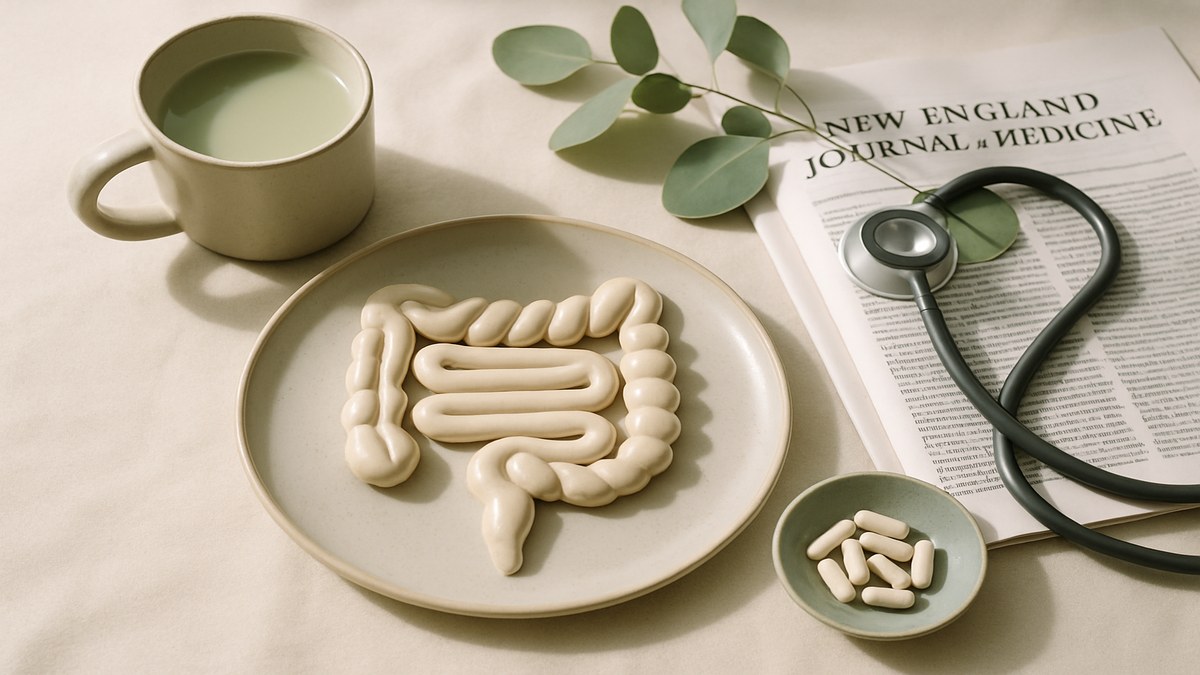
Beyond the primary findings of remission rates, the study also provided a detailed analysis of microbiome dynamics post-transplant. The first large-scale characterization of donor-recipient engraftment patterns documented how specific bacterial communities from the donor established themselves in the recipient’s gut. Gastroenterologists involved in the study have hailed these findings as ‘practice-changing,’ suggesting that they could lead to new guidelines and protocols for managing recurrent C. diff. The use of a standardized product like Rebyota ensures consistency and safety in FMT procedures, potentially paving the way for broader clinical adoption.
Why It Matters
The implications of this study are vast, particularly in the context of rising antibiotic resistance and the urgent need for alternative therapies. Recurrent C. diff infections not only pose a significant burden on healthcare systems but also severely impact patients’ quality of life. Traditional treatments often fall short, leading to cycles of recurrence and increasing the risk of complications. By demonstrating the efficacy of FMT, the study provides a viable solution that could alleviate the strain on healthcare resources while offering patients a more effective and sustainable treatment option.
Moreover, the insights gained from the microbiome characterization aspect of the study could lead to more personalized approaches to FMT. Understanding which microbial communities are most beneficial in combating C. diff opens the door to optimizing donor selection and tailoring treatments to individual patients’ microbiome profiles. Such advancements could significantly enhance patient outcomes and reduce the likelihood of recurrence, potentially transforming the standard of care for C. diff and other microbiome-related conditions.
From a research perspective, the study underscores the importance of the microbiome in health and disease, fueling interest in further investigations across various medical fields. As scientists continue to uncover the complexities of the human microbiome, the potential for microbiome-based therapies to address a range of health issues becomes increasingly apparent. This research could catalyze developments in treating not only gastrointestinal disorders but also other conditions influenced by gut health, such as autoimmune diseases and metabolic disorders.
How We Approached This
In crafting this article, we prioritized an in-depth examination of the New England Journal of Medicine study, focusing on its methodology and key findings. Our editorial approach emphasized the practical implications of the study for both medical practitioners and patients, given our publication’s commitment to delivering accessible, expert-driven wellness content. We also considered the broader context of microbiome research and its potential future applications.
Our sources included the published study itself, expert commentary from gastroenterologists, and recent literature on microbiome transplant efficacy. This comprehensive approach ensures that the information presented is both accurate and relevant to our readership. By highlighting the transformative potential of FMT and exploring the study’s detailed analysis of microbiome dynamics, we aim to provide our audience with a clear understanding of this significant medical advancement and its potential to influence clinical practice profoundly.
Frequently Asked Questions
What is Clostridioides difficile infection?
Clostridioides difficile infection, commonly known as C. diff, is a bacterial infection that causes severe diarrhea and colitis. It often occurs after the use of antibiotics, which disrupt the normal balance of bacteria in the gut. This infection is particularly common in healthcare settings and can lead to serious complications if not properly treated. Recurrent infections are a significant challenge, making effective treatment strategies crucial.
How does fecal microbiome transplant work?
Fecal microbiome transplant (FMT) involves transferring stool from a healthy donor into the gastrointestinal tract of a recipient. The goal is to restore the gut’s natural bacterial balance, which can be disrupted by infections like C. diff. The procedure typically involves processing the donor stool to create a solution that is introduced into the recipient’s colon, often resulting in rapid colonization by beneficial bacteria that help resolve the infection.
What are the potential benefits of this study’s findings?
This study provides robust evidence supporting FMT as an effective treatment for recurrent C. diff, demonstrating a 68% remission rate compared to 34% with standard antibiotic treatment. The findings could lead to new clinical guidelines and more widespread adoption of FMT. Additionally, the study’s insights into microbiome engraftment patterns might guide the development of more personalized therapies, enhancing treatment success and reducing recurrence rates.
As we move forward, the implications of this study will be closely monitored by the medical community and stakeholders involved in patient care and antibiotic stewardship. This landmark research not only highlights the transformative potential of microbiome-based therapies but also sets a new standard for rigor in clinical research. At Vitality Daily, we believe that such innovations represent a significant leap toward more holistic and effective approaches to healthcare, embodying the spirit of innovation that drives meaningful advances in medicine.