
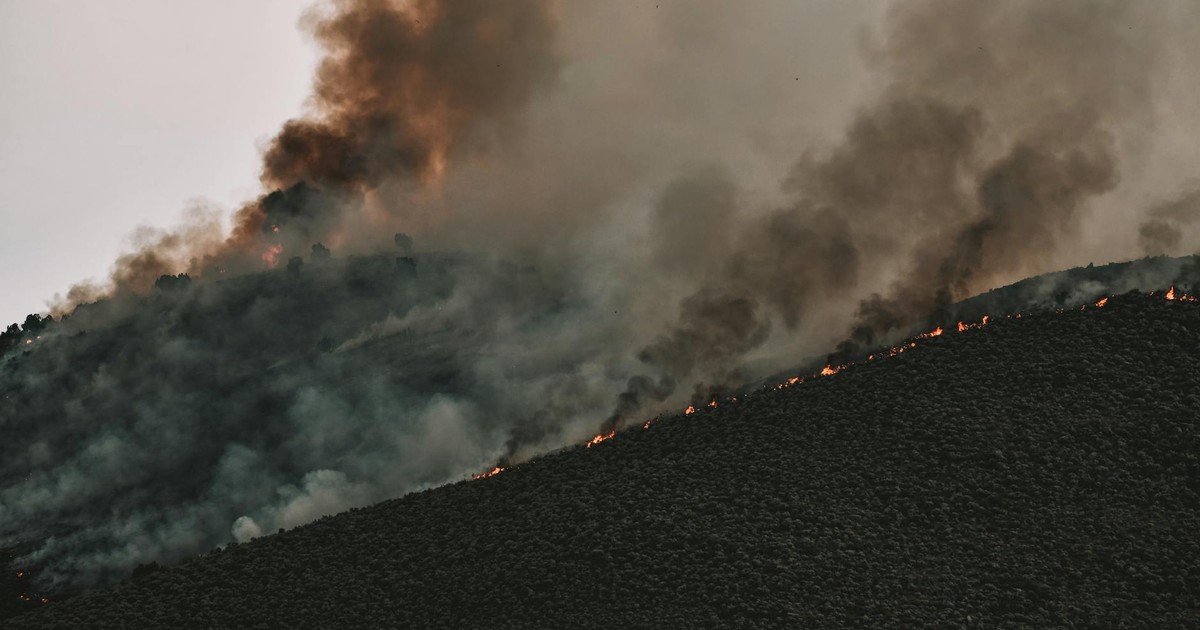
Wildfires are occurring with increasing frequency, driven by climate change and drier environmental conditions. This trend places more individuals and communities in harm’s way, making it essential to understand how to safeguard yourself and your loved ones.
Wildfire smoke significantly degrades air quality. Similar to pollution from burning coal, oil, and gas, wildfires release dangerous gases and microscopic particles of various sizes that pose risks when inhaled. The smoke may also carry additional toxins from burning structures and chemical storage facilities. Weather patterns and jet streams can transport this smoke across state and national borders, affecting regions far from the original fire.
The tiny particles in wildfire smoke, referred to as particulate matter or PM10, PM2.5, and PM0.1, are particularly concerning for health. When breathed in, these particles can penetrate deep into the lungs and sometimes enter the bloodstream. Health impacts include irritation of the eyes and skin, coughing, wheezing, and breathing difficulties. More severe effects may involve heart failure, heart attacks, and strokes.
Certain groups face higher risks from wildfire smoke. Children, older adults, outdoor workers, pregnant individuals, and those with heart or lung conditions should take extra precautions. If you have a chronic health issue, consult your doctor about how smoke might affect you. Discuss which symptoms warrant medical attention or adjustments to medications, especially if you have lung or heart problems.
Preparation is key for those living in areas threatened by wildfires or where heat and dry conditions increase the likelihood of fires. Develop an evacuation plan for your family before a wildfire occurs. Keep several days’ supply of medications, water, and non-perishable food on hand to facilitate a sudden departure due to wildfires or other natural disasters. Regularly monitor fire and smoke maps that display current wildfire conditions and provide links to state advisories. Follow alerts from local officials if you are near an active fire.
During periods of poor air quality, such as wildfire smoke advisories, these six strategies can help reduce health risks:
Stay informed about air quality. AirNow.gov offers real-time air quality risk categories for your area along with activity recommendations. When advised, remain indoors, close doors and windows, and seal any outdoor air intake vents.
Consider purchasing an air purifier. This is beneficial even without regional wildfires if you reside in a building in poor condition. The EPA cautions against air cleaners that produce ozone, as ozone is itself a pollutant.
Understand your HVAC system if you have one. Filter quality and cleanliness matter, so opt for high-efficiency filters when possible and replace them as needed. Also, determine if your system includes outdoor air intake vents.
Avoid generating indoor pollution. Refrain from smoking, vacuuming, and burning items like candles or incense. Steer clear of frying foods or using gas stoves, particularly if your stove lacks proper ventilation.
Create a “clean room.” Select a room with fewer doors and windows. Run an appropriately sized air purifier in this space, especially if you are not using central air conditioning to stay cool.
Minimize outdoor exposure and wear a mask when outside. Again, having several days’ worth of medications and non-perishable food is helpful. If you must go outdoors, reduce both time spent and activity level. A well-fitted N95 or KN95 mask or P100 respirator can help prevent inhalation of small particles in smoky air.