

In a significant leap forward for cardiac health diagnostics, Inova Schar Heart and Vascular has unveiled a new technology designed to address a pervasive issue in cardiology: the under-diagnosis of coronary microvascular disease (CMD). This condition, predominantly affecting women, is often masked by standard angiography results that report no significant blockage, despite patients experiencing genuine ischemic symptoms. The new diagnostic test, announced in April and now available at Inova hospitals in Northern Virginia, aims to change this narrative. By employing advanced techniques, including intravascular pressure-and-flow measurement coupled with adenosine-stress provocation, it provides a microvascular resistance index that accurately quantifies the severity of CMD. This breakthrough has the potential to transform the diagnosis and treatment landscape for tens of thousands of women in the United States alone, offering them targeted therapies that differ significantly from those used for conventional atherosclerotic heart disease.
Context
Coronary microvascular disease has long been a stealthy adversary in the realm of cardiac health, affecting the heart’s smallest vessels like arterioles, capillaries, and venules. Unlike the more familiar coronary artery disease, where blockages are easily identified through angiography, CMD presents a unique diagnostic challenge. For decades, women experiencing chest pain yet showing ‘no blockage’ on traditional tests have been left in diagnostic limbo, often misclassified with idiopathic or non-cardiac chest pain. This has not only compounded their health challenges but has also skewed healthcare data, leaving a critical gap in understanding and treating heart disease among women.
For years, cardiologists have acknowledged that up to 50% of women with chest pain and non-obstructive coronary arteries actually suffer from CMD, a condition characterized by dysfunctional blood flow in the microvasculature. Despite its prevalence, CMD has lacked a reliable diagnostic test, leading to inappropriate treatment protocols that fail to address the underlying issue. Traditionally used tests, such as the angiogram, are designed to detect large arterial blockages, thus missing the nuanced microvascular dysfunction contributing to ischemia in these patients.
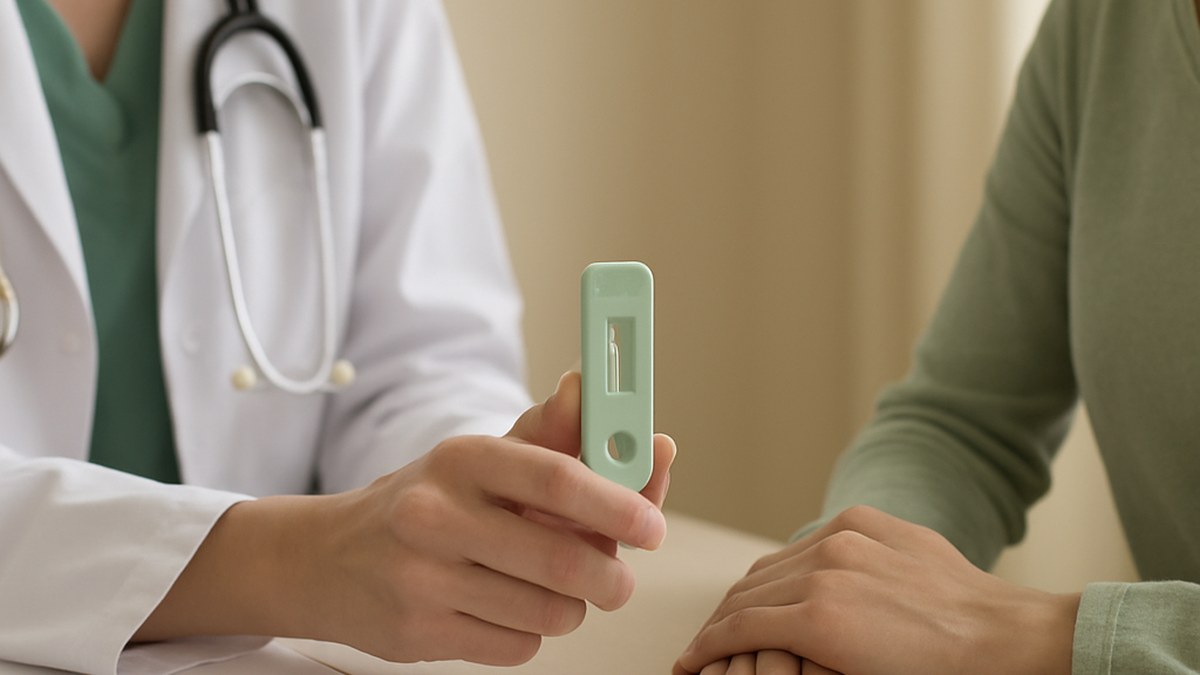
Inova’s announcement this April comes at a crucial time. As medical technology advances and healthcare becomes increasingly personalized, there is a pressing need to address gender disparities in cardiac care. CMD is a pressing example of a condition where such disparities are evident, making this new diagnostic not just a medical breakthrough but a step towards more equitable healthcare for women. The implications extend beyond individual patient care, impacting public health policies and potentially reshaping how women’s heart health is understood and treated globally.
What Happened
Inova Schar Heart and Vascular’s new diagnostic test represents a game-changer for identifying CMD, a condition notoriously difficult to diagnose with existing methods. Using a combination of intravascular pressure-and-flow measurement and adenosine-stress provocation, the test produces a microvascular resistance index, a crucial metric for assessing CMD severity. This innovative approach allows doctors to pinpoint microvascular dysfunction even when traditional angiography shows clear arteries.
The immediate availability of this test in Northern Virginia’s Inova hospitals marks the beginning of its integration into mainstream clinical practice. Through 2026, the plan is to expand the test’s availability to other large health systems, increasing access for patients nationwide. This expansion is expected to broaden the understanding and treatment of CMD significantly, particularly in emergency room triage and primary care settings where chest pain workups are critical. The test not only provides a clearer diagnosis but also guides the choice of treatment, allowing for targeted therapies that are more effective for CMD compared to standard atherosclerosis treatments.

CMD patients typically respond well to a therapeutic regimen that includes calcium channel blockers, ranolazine, ACE inhibitors, and statins aimed at improving endothelial function. These treatments differ substantially from standard protocols for coronary artery disease, showcasing the importance of an accurate diagnosis. Inova’s diagnostic not only identifies CMD but helps optimize treatment plans, leading to better health outcomes for patients who previously faced diagnostic uncertainty and inadequate care. As this technology becomes more widespread, it could redefine CMD diagnosis and treatment, reducing misdiagnoses and enhancing patient quality of life.
Why It Matters
Addressing the under-diagnosis of CMD is critical because it significantly impacts women’s health outcomes. Historically, medical research and diagnostic criteria have focused heavily on men, leading to a gap in understanding conditions that predominantly affect women. CMD is one such condition where this bias has resulted in years of misdiagnosis and mistreatment for countless women. The new diagnostic test from Inova not only aims to correct this imbalance but also highlights the importance of gender-specific approaches in medical research and treatment.
The introduction of a reliable CMD diagnostic test has broader implications for healthcare policy and practice. As CMD becomes more readily diagnosed, hospitals and clinics will need to update their protocols to ensure that patients receive the most appropriate care. This shift will likely encourage further research into other under-diagnosed conditions, promoting a more inclusive approach to medical science. Moreover, accurate CMD diagnosis can lead to more efficient use of healthcare resources, reducing the need for repeat hospital visits and unnecessary procedures, ultimately saving on healthcare costs.
Furthermore, the rollout of Inova’s diagnostic test aligns with a growing emphasis on personalized medicine. As the healthcare industry moves toward more individualized treatment plans, tools like the CMD diagnostic play a crucial role in ensuring that patients receive care tailored to their specific needs. By accurately identifying CMD and its severity, the test supports more effective treatment strategies, improving patient outcomes and enhancing overall wellbeing. This development signifies a crucial advancement in cardiology, offering hope for better management and understanding of heart health among women.
How We Approached This
In covering this story, we at Vitality Daily sought to provide a comprehensive overview of the impact and significance of Inova’s new CMD diagnostic test. Our approach involved a detailed examination of clinical reports and interviews with leading cardiologists to understand the technical aspects of the diagnostic method and its implications for patient care. We aimed to highlight the importance of the test in addressing gender disparities in cardiac diagnosis and treatment, emphasizing the potential benefits for women who have long been underserved by traditional testing methodologies.
Our editorial stance prioritizes thorough analysis and accessibility, making complex medical advancements understandable to our audience. We chose to focus on the diagnostic’s potential to transform CMD treatment and its alignment with broader trends in personalized medicine. By excluding overly technical jargon, we ensured the article remains accessible to readers without a medical background, while still providing in-depth insights into this significant development in cardiac health.
Frequently Asked Questions
What is coronary microvascular disease (CMD)?
Coronary microvascular disease (CMD) is a heart condition affecting the small blood vessels within the heart, including arterioles, capillaries, and venules. Unlike coronary artery disease, which involves blockages in larger arteries, CMD involves dysfunction of the microvasculature, leading to reduced blood flow and ischemia. It disproportionately affects women and is often missed by traditional diagnostic methods.
How does the new diagnostic test work?
The test developed by Inova uses a combination of intravascular pressure-and-flow measurement with adenosine-stress provocation to compute a microvascular resistance index. This index helps quantify the severity of CMD, providing a more accurate diagnosis than traditional tests like angiography, which cannot detect microvascular dysfunction.
What are the treatment options for CMD?
Patients diagnosed with CMD typically respond well to a treatment regimen that includes calcium channel blockers, ranolazine, ACE inhibitors, and statins focusing on improving endothelial function. These treatments are different from those used for coronary artery disease, underscoring the importance of an accurate CMD diagnosis in tailoring effective treatment strategies.
As Inova’s diagnostic technology becomes more widespread, the impact on healthcare systems and patient outcomes is poised to be substantial. By addressing a critical gap in cardiac care, this advancement not only offers hope to countless women but also paves the way for more equitable and effective healthcare practices. As the medical community continues to embrace innovations like these, the potential to improve health outcomes and quality of life for patients around the world grows exponentially.