
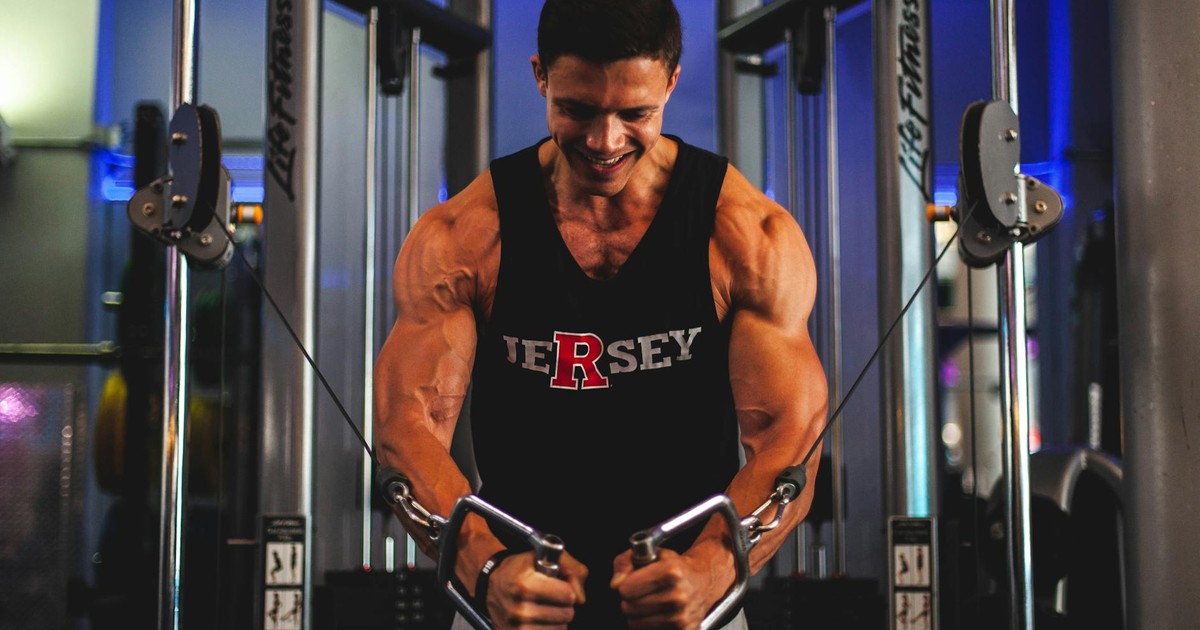
For many of us, the word “exercise” conjures images of grueling gym sessions, relentless treadmill runs, or a strict regimen we feel obligated to follow. We start with explosive motivation, only to find our enthusiasm fizzling out a few weeks later. The missing ingredient isn’t willpower; it’s sustainability and enjoyment. The true secret to lifelong fitness isn’t found in the latest punishing trend, but in discovering your unique fitness flow—a routine that feels less like a chore and more like a rewarding part of your day. This is about building a practice that supports your life, not one that competes with it.
What is “Fitness Flow” and Why Does It Matter?
Think of a time you were so engrossed in an activity that you lost track of time. That state of energized focus and enjoyment is what psychologists call “flow.” Applying this concept to fitness means creating exercise experiences that are intrinsically rewarding. A sustainable routine is one you want to return to, not one you have to force. It aligns with your personality, fits into your real-life schedule, and contributes positively to your overall well-being, not just your physique. When you find this flow, exercise transforms from a task on a checklist to a source of energy, clarity, and joy.

Step 1: The Foundation – Audit Your Attitude and Lifestyle
Before you lace up your shoes, it’s crucial to look inward. A sustainable routine is built on self-awareness, not societal pressure.
Identify Your “Why”
Move beyond vague goals like “get in shape.” Dig deeper. Is your why to have more energy to play with your kids? To manage stress and quiet your mind? To feel strong and capable in your daily life? To improve your sleep? A powerful, personal “why” is your anchor. It will pull you back when motivation wanes.
Conduct a Realistic Schedule Audit
Look at your weekly calendar honestly. Where are the genuine 20, 30, or 45-minute windows? Maybe it’s early mornings before the house wakes up, your lunch break, or right after work. Schedule your workout like a non-negotiable appointment. Start with a frequency that feels achievable—even if it’s just two days a week. Consistency with a small commitment beats sporadic bursts of over-exertion.
Embrace Your Fitness Personality
Are you a social exerciser who thrives on group energy? Or do you crave solo time to decompress? Do you love clear structure and metrics, or prefer intuitive, free-form movement? There’s no wrong answer. Honoring your nature is key to enjoyment.
- The Social Butterfly: Consider group classes, running clubs, or team sports.
- The Solo Contemplator: Home workouts, hiking, swimming, or solo yoga might be your perfect fit.
- The Competitor: Apps with leaderboards, race training, or martial arts can fuel your drive.
- The Nature Lover: Your “gym” is the trail, the park, or the lake.
Step 2: Crafting Your Enjoyable Movement Menu
This is where the fun begins. Ditch the idea that you must do exercises you hate. Your routine should be a “menu” of activities you genuinely look forward to.
Mix the Three Pillars of Fitness
For balanced health and to prevent boredom, aim to incorporate these three pillars over your week:
- Cardiovascular (Heart-Pumping) Joy: This is anything that raises your heart rate. It doesn’t have to be running! Think dancing, brisk walking with a podcast, cycling, swimming, or jump rope.
- Strength (Empowering) Sessions: Building muscle boosts metabolism, supports joints, and builds confidence. This can be bodyweight exercises, weightlifting, resistance bands, or Pilates.
- Mobility & Recovery (Soothing) Practices: Often overlooked, this pillar is essential for sustainability. Include yoga, stretching, foam rolling, or tai chi to improve flexibility, prevent injury, and aid recovery.
Prioritize Pleasure and Play
Did you love riding your bike as a kid? Did you enjoy dancing in your living room? Reconnect with that spirit of play. Try new activities with a curious, not critical, mindset. A sustainable exercise routine can include rock climbing, paddleboarding, martial arts, or even active video games. If it gets you moving and brings a smile, it counts.
Step 3: Building Habits That Stick
Enjoyment gets you started; smart habits keep you going.
Start Embarrassingly Small
The biggest mistake is doing too much too soon. The goal of your first few weeks is not fitness transformation; it’s habit installation. Commit to 10 minutes a day. Put on your workout clothes and do just one short video. Success breeds motivation. As the habit solidifies, you can naturally expand the duration and intensity.
Master the Art of the “Non-Zero Day”
A “non-zero day” means you do something, anything, toward your goal. Missed your planned workout? Do 5 minutes of stretching before bed. A short walk is better than no walk. This philosophy prevents the “all-or-nothing” mindset that derails so many people.
Optimize Your Environment
Make the easy choice the right choice. Lay out your clothes the night before. Keep a yoga mat visible in your living room. Have a workout playlist ready to go. Remove friction to make starting effortless.
Listen to Your Body (Really Listen)
Some days you’ll feel powerful and can push hard. Other days, you may be tired, sore, or stressed. A sustainable routine has built-in flexibility. Learn the difference between “I don’t want to” laziness and “I need to rest” intuition. Opt for gentle movement or complete rest accordingly. This prevents burnout and injury.
Step 4: Measuring Progress Beyond the Scale
If your only measure of success is a number on a scale, you’re setting yourself up for frustration. Broaden your definition of progress to stay motivated and appreciate the full benefits of your fitness flow.
- Energy & Mood: Do you have more stamina throughout the day? Is your stress lower?
- Performance: Can you walk further, lift a heavier weight, hold a plank longer, or master a new yoga pose?
- Sleep Quality: Are you falling asleep easier or sleeping more soundly?
- Consistency: Celebrating sticking to your planned schedule for two weeks straight is a huge win!
- How It Feels: Simply noting, “I feel strong” or “My mind is clear after that walk” is valid and powerful progress.
Reigniting the Spark: What to Do When You Lose Your Flow
It’s normal for enthusiasm to ebb and flow. When you hit a rut, don’t panic. It’s a sign to refresh, not quit.
Try a “fitness detour”: take a complete week off from your usual routine and try one completely new activity. Sign up for a single class in something you’ve never done—kickboxing, aerial yoga, indoor rowing. Sometimes, a novel experience is all it takes to reignite excitement. Alternatively, revisit your original “why.” Has it changed? It’s okay to redefine your goals and adjust your routine to match your current life season.
Conclusion: Your Movement, Your Way
Finding your fitness flow is a personal journey of exploration and self-compassion. It’s about rejecting the one-size-fits-all approach and designing a movement practice that celebrates what your body can do, fits seamlessly into the rhythm of your life, and, above all, brings you genuine pleasure. Let go of comparison and perfection. Start small, listen closely, and prioritize enjoyment. When you do, you’ll discover that the most sustainable exercise routine isn’t about discipline—it’s about building a loving, lasting relationship with movement itself. Your flow is waiting for you.