
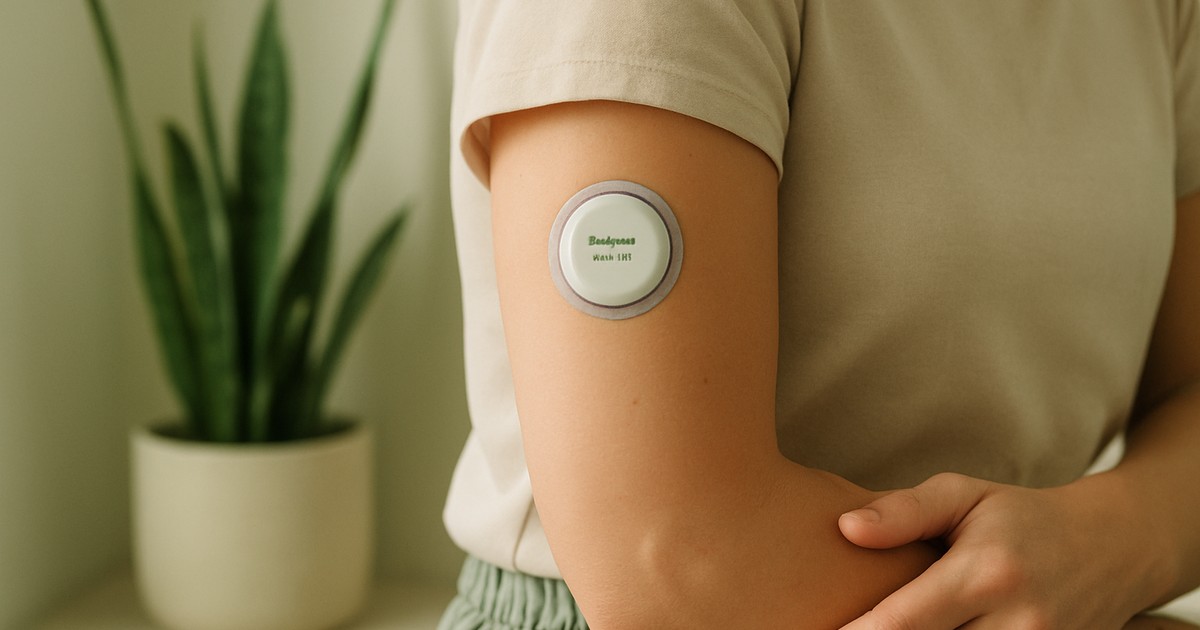
Today marks a significant milestone in preventive healthcare and wellness technology, as the U.S. Food and Drug Administration (FDA) has granted over-the-counter approval for the Dexcom Stelo Biosensor, the first continuous glucose monitor (CGM) available to non-diabetic adults without a prescription. This groundbreaking development positions Dexcom, a leader in the CGM industry, at the forefront of a burgeoning market aimed at enhancing metabolic health awareness among the general population. The Stelo, a sleek 15-day wearable sensor, integrates seamlessly with a smartphone app to deliver real-time glucose readings and post-meal spike alerts, providing users with unprecedented insights into their metabolic responses to food and lifestyle choices. Priced at $89 for a two-pack, equivalent to a 30-day supply, the Stelo is poised not only to democratize access to glucose monitoring but also to drive the growth of the metabolic health consumer market, which is already valued at $4.2 billion. In this article, we explore the context of this approval, delve into the specifics of Dexcom’s innovation, and assess the broader implications for consumers and the wellness industry.
Context
The landscape of personal health monitoring has evolved dramatically over the past decade, largely fueled by advancements in wearable technology and a growing public interest in proactive health management. Continuous glucose monitors, once a cornerstone of diabetes management, have steadily gained attention from broader wellness communities interested in tracking their metabolic health. As rates of metabolic disorders rise globally, tools that offer insights into daily glucose fluctuations are becoming valuable assets for those looking to optimize their health through personalized nutrition and lifestyle adjustments. Dexcom, a pioneer in the CGM space with a storied history of innovation, has been at the cutting edge of this shift, consistently expanding the capabilities of its devices to meet the needs of a wider audience.
Historically, CGMs have been prescribed primarily for individuals managing diabetes, enabling them to maintain more stable blood glucose levels and prevent long-term complications. However, recent years have seen a surge in the utilization of these devices by non-diabetics, particularly those engaged in fitness, biohacking, and nutritional science. This trend reflects a broader movement towards personalized health data, with consumers increasingly seeking tools that provide insights beyond traditional metrics like weight and blood pressure. The FDA’s decision to approve the Stelo for over-the-counter sale is a direct response to this growing demand for accessible, actionable health data among the general population.

This week’s approval is particularly significant as it aligns with an increasing shift towards preventative health strategies. With healthcare costs rising and lifestyle-related diseases becoming more prevalent, there is an urgent need to empower individuals with the tools necessary to take charge of their health. The Stelo CGM represents a new frontier in this effort, offering a user-friendly and affordable option for those looking to gain deeper insights into their metabolic health without the need for a medical prescription.
What Happened
On April 16, 2026, the FDA officially announced the clearance of Dexcom’s Stelo Biosensor for over-the-counter sale to non-diabetic adults, marking a historic first in the realm of glucose monitoring. This decision follows a comprehensive review process that evaluated the safety and efficacy of the device in providing accurate glucose readings and its potential benefits for the broader population. The Stelo is designed to be worn on the skin for up to 15 days, continuously tracking glucose levels through a small, minimally invasive sensor that sends data to a paired smartphone application. Users can monitor their glucose trends, receive alerts for post-meal spikes, and gain insights into how their diet and lifestyle choices are impacting their glucose levels.
The product is priced at $89 for a two-pack, allowing consumers to monitor their glucose levels for a full month. This competitive pricing strategy is aimed at making continuous glucose monitoring more accessible to a wider audience, particularly those engaged in fitness, nutrition, and weight management. Dexcom’s leadership anticipates that the Stelo will appeal to a diverse range of consumers, from health enthusiasts aiming to optimize their metabolic responses to everyday individuals seeking to make more informed dietary choices.
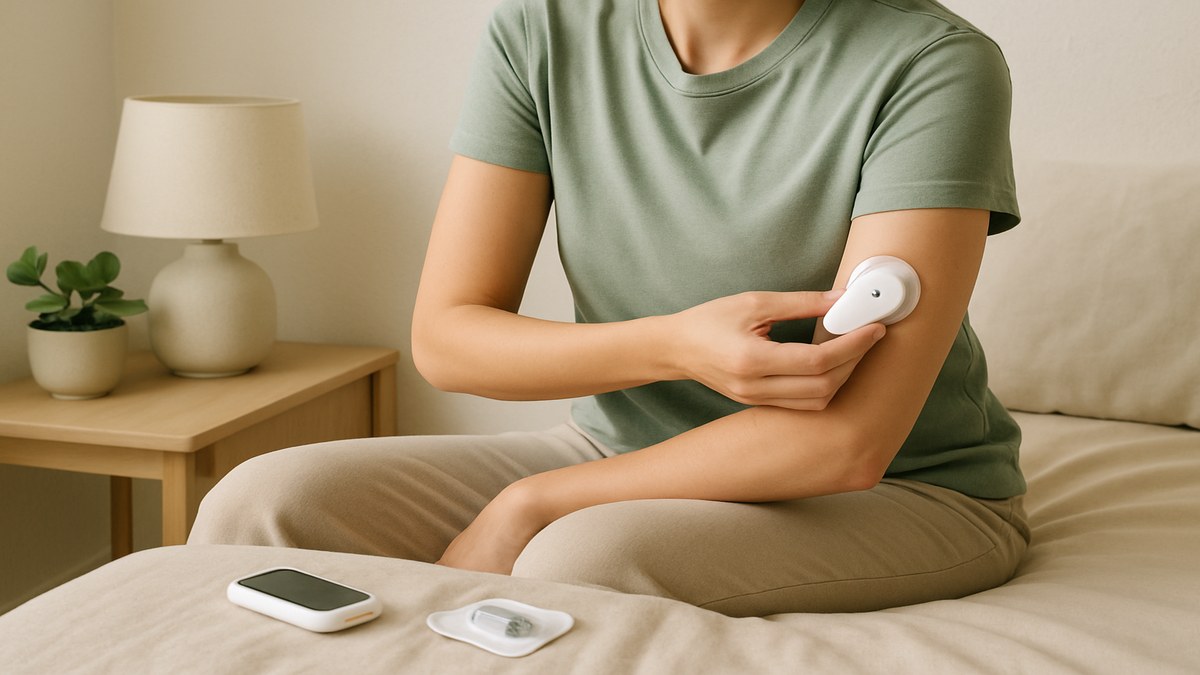
Dexcom has been preparing for this launch for several years, investing in extensive research and development to ensure the Stelo meets the high standards expected of medical-grade devices while remaining user-friendly for the general public. The device’s smartphone app is equipped with an intuitive interface, offering users easy access to their glucose data, personalized insights, and actionable recommendations. This launch is expected to significantly boost the company’s market share in the burgeoning metabolic health sector, which is projected to see substantial growth in the coming years.
Why It Matters
The approval of the Dexcom Stelo Biosensor is a watershed moment for the wellness industry, signaling a shift towards more personalized and data-driven approaches to health management. For consumers, the availability of an over-the-counter CGM provides a powerful new tool for understanding and improving their metabolic health. This can lead to more informed dietary and lifestyle choices, potentially reducing the risk of chronic diseases associated with poor glucose regulation, such as obesity, cardiovascular disease, and metabolic syndrome.
For the wellness industry, the Stelo represents a significant opportunity to expand the market for metabolic health products and services. With the global metabolic health market already valued at $4.2 billion, the introduction of accessible CGM technology is likely to catalyze further innovation and growth. Companies across the healthcare, fitness, and nutrition sectors are expected to integrate CGM data into their offerings, creating new synergies and enhancing the value of their products and services.
Policy implications are also notable, as the Stelo’s approval may prompt regulatory bodies to reconsider the classification and accessibility of other health-monitoring devices. As more consumers gain access to advanced health data, there could be a push for broader adoption of preventative health technologies and increased support for digital health initiatives. This aligns with public health goals of reducing the burden of chronic diseases through early detection and lifestyle intervention.
How We Approached This
In crafting this article, we drew upon a variety of sources to provide a comprehensive overview of the FDA’s approval of the Dexcom Stelo Biosensor. Our editorial team focused on the implications of this development for both consumers and the wellness industry, ensuring that our analysis was grounded in current market trends and consumer behaviors. We prioritized clarity and accessibility, aiming to make the implications of this approval understandable to a broad audience.
We chose to emphasize the potential benefits of CGM technology for non-diabetic individuals and the broader wellness community, while also considering the possible industry and policy impacts. Our goal was to present a balanced view of the opportunities and challenges presented by this new technology, avoiding speculative claims and focusing on substantiated information. By doing so, we aim to empower our readers with the knowledge they need to navigate the evolving landscape of health and wellness technology.
Frequently Asked Questions
What is a continuous glucose monitor?
A continuous glucose monitor (CGM) is a wearable device that tracks glucose levels in real-time throughout the day and night. It consists of a small sensor inserted under the skin that measures interstitial glucose levels. The data is transmitted to a display device or smartphone app, allowing users to monitor their glucose trends, receive alerts, and make informed decisions about their diet and lifestyle.
Who can benefit from using the Dexcom Stelo Biosensor?
The Dexcom Stelo Biosensor is designed for non-diabetic adults who are interested in gaining deeper insights into their metabolic health. It is particularly beneficial for individuals who are focused on fitness, nutrition, and weight management, as it provides valuable data on how their body responds to various foods and activities. This can help users optimize their lifestyle and dietary choices to improve overall health and well-being.
How does the Dexcom Stelo Biosensor differ from traditional CGMs?
Unlike traditional CGMs that require a prescription and are primarily used by individuals with diabetes, the Dexcom Stelo Biosensor is available over-the-counter to non-diabetic adults. It offers a 15-day wear period and pairs with a smartphone app for easy access to glucose data. This accessibility and user-friendly design make it an attractive option for a broader audience interested in metabolic health monitoring.
As we look to the future, the approval of the Dexcom Stelo Biosensor opens up exciting possibilities for the integration of advanced health monitoring into everyday wellness routines. By making glucose monitoring technology more accessible, Dexcom is paving the way for a new era of personalized health management. This shift towards data-driven health insights is likely to transform how individuals approach their well-being, empowering them with the information needed to make healthier choices. With the Stelo now on the market, we anticipate a wave of innovation in the wellness industry, further expanding the possibilities for preventive care and health optimization.