Medical treatments often come with side effects, ranging from mild discomforts like headaches to more serious reactions. But in rare instances, a treatment might deliver an unexpected bonus. The shingles vaccine appears to be one such case, offering protection not just against a painful rash but potentially against dementia as well.
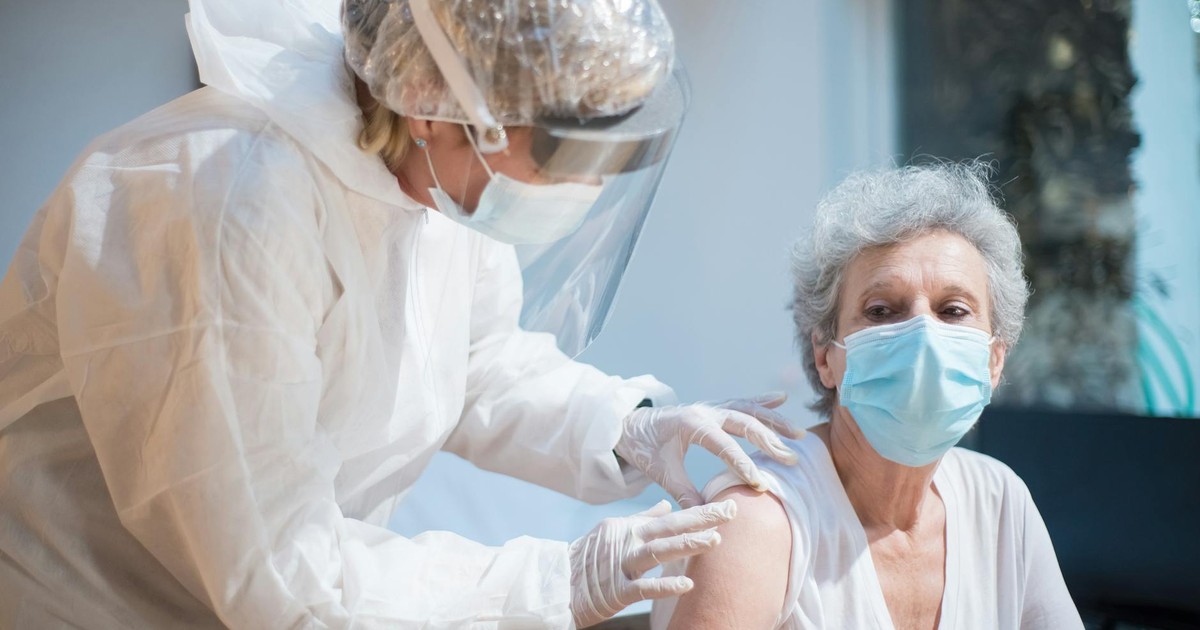
Shingles stems from the varicella zoster virus, the same culprit behind chickenpox. After a bout of chickenpox, the virus can lie dormant in nerve tissues for years, only to reawaken later in life as a blistering, painful skin rash. To combat this, health experts recommend the shingles vaccine for adults aged 50 and older, as well as for those 19 and up with weakened immune systems. While its primary goal is to prevent shingles, growing evidence hints at a secondary benefit: a reduced risk of dementia.
Dementia poses a profound challenge for millions of individuals and their loved ones. In the United States alone, around nine million people currently live with this condition, a number projected to double by 2060 due largely to an aging population. With highly effective treatments often elusive, preventive strategies that are safe, affordable, and readily available could make a significant difference.
What the Research Reveals
Some studies indicate that experiencing shingles might elevate one’s future dementia risk. This connection has spurred researchers to investigate whether stopping shingles through vaccination could also lower the odds of developing dementia. Multiple studies support this idea.
One investigation involving over 300,000 adults found that among those aged 70 and older, dementia occurred less frequently in individuals who had received the shingles vaccine compared to those who had not. Another study of more than 200,000 older adults compared dementia rates between recipients of a newer recombinant shingles vaccine and those who received an older live vaccine, which is no longer approved in the U.S. The results showed a lower dementia risk six years post-vaccination for both groups, but the effect was more pronounced with the newer vaccine. Those given the recombinant version enjoyed an additional 164 days free from dementia on average.
A Natural Experiment in Wales
Perhaps the most compelling evidence comes from a natural experiment detailed in the journal Nature. Natural experiments leverage real-world scenarios to compare outcomes between exposed and unexposed groups, such as people who receive a vaccine versus those who do not. This approach avoids the pitfalls of traditional studies, like recruiting participants who may differ in key ways or change their behavior because they know they’re being observed, often yielding results as credible as randomized trials.
In 2013, Wales introduced a shingles vaccination program based on birth dates: individuals born after September 2, 1933, were eligible, while those born before that date were not. Researchers seized this opportunity to analyze health records of nearly 300,000 people, split evenly between those just above and just below the cutoff. Over a seven-year period, they tracked dementia development.
The findings were striking. Compared to the unvaccinated group, those who received the shingles vaccine experienced fewer cases of shingles and were 3.5% less likely to develop dementia over seven years, translating to a 20% reduction in risk. Interestingly, women appeared to gain more protection from dementia than men. While this type of study can’t definitively prove causation, it strongly suggests a beneficial link, bolstered by other research.
Why Might This Vaccine Help?
When science uncovers an unexpected finding, it’s crucial to explore whether there’s a logical explanation—what researchers call biologic plausibility. The more plausible a result, the more likely it is to withstand further scrutiny. In the case of the shingles vaccine and dementia, several theories offer insight.
First, by preventing shingles, the vaccine may curb harmful inflammation in the body, particularly within the nervous system. Second, vaccination could modulate immune function in ways that safeguard against dementia. Third, since shingles has been linked to an increased risk of stroke, and strokes can contribute to or cause dementia, the vaccine might reduce dementia incidence by lowering stroke risk. The observation that women benefited more remains unexplained; it could relate to differences in immune responses or dementia progression between genders.
Looking Ahead
Additional studies are needed to confirm these benefits and delve into specifics, such as whether protection varies by dementia type, like Alzheimer’s disease, or changes over time. Nonetheless, the accumulating evidence points to shingles vaccination as a potential tool for dementia prevention.
We all have steps we can take to lower our dementia risk, primarily through healthy habits like regular physical activity and a balanced diet. Now, it seems the shingles vaccine might deserve a spot on that list. Future research could even shed light on dementia’s underlying mechanisms, paving the way for better prevention and treatment strategies. In the meantime, if you’re eligible for the shingles vaccine, consider getting it. Not only can it spare you from painful shingles episodes, but it might also offer a surprising layer of protection for your brain.