
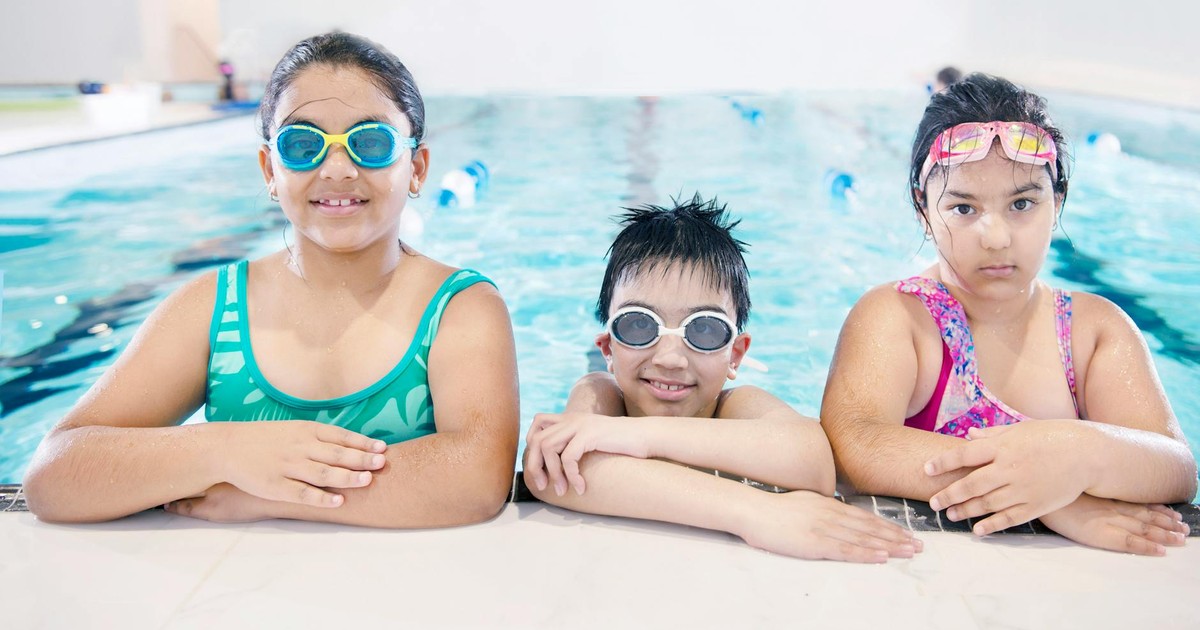
Every year, over 4,500 people die from drowning in the United States. For children between the ages of 1 and 4, it stands as the leading cause of death. While swimming lessons cannot prevent every tragedy, they play a vital role in saving lives. The goal isn’t to train a child to swim butterfly or perform flip turns. Instead, it’s about equipping them with essential skills: the ability to return to the surface, float, tread water, and swim to a safe spot where they can stand or grab hold of something. These foundational abilities can make all the difference in an emergency.
As you consider swimming lessons for your child, here are ten key points to keep in mind, based on expert guidance and safety standards.
1. The Right Age to Start
Children typically develop the cognitive skills necessary for formal swimming instruction around the age of 4. At this stage, they can better listen to directions, follow instructions, and retain what they learn. Some children may show readiness a bit earlier, but this age serves as a general benchmark.

2. Benefits for Younger Children
Even before age 4, swim lessons can be valuable. Some children are simply ready earlier. For toddlers between 1 and 4 years old, lessons can teach basic skills, such as how to get back to the side of a pool if they accidentally fall in. These early experiences build water familiarity and confidence.
3. Ensuring a Safe Learning Environment
Safety at the pool or beach where lessons occur is non-negotiable. Don’t assume it’s safe—inspect it yourself. Look for a clean, well-maintained area with dedicated lifeguards who are not involved in teaching, as instructors cannot watch everyone at all times. There should be clear markers for deeper water and barriers to prevent children from accessing those zones. Lifesaving equipment, first aid supplies, and posted safety rules must be readily available.

4. Qualified and Trained Instructors
Instructors should have proper training and certification. Ask about their training process, evaluation methods, and whether they follow guidelines from reputable organizations like the American Red Cross or the YMCA. This ensures they are equipped to teach effectively and respond to emergencies.
5. Appropriate Student-to-Teacher Ratios
For young children and beginners, the ratio of students to teachers should be as low as possible. Ideally, the instructor should be able to keep all children within arm’s reach and maintain visual contact with the entire group. As skills improve, group sizes can increase slightly, but never beyond what the teacher can safely supervise.
6. A Structured Curriculum with Clear Progression
Swim lessons should follow a structured curriculum that progresses from basic water acclimation to advanced strokes. Children should be placed in classes based on their current ability, with clear assessment methods and a plan for advancing their skills. This systematic approach helps build competence step by step.
7. Opportunities for Parental Observation
Parents should be able to watch at least part of the lesson, such as the beginning or end. While constant presence can be distracting for children, observation windows or decks allow you to see what’s happening in class. This transparency helps you gauge the quality of instruction and your child’s comfort level.
8. Thoughtful Use of Flotation Devices
Flotation devices like “bubbles” can be helpful in early lessons by keeping children safe and allowing them to focus on proper positioning and stroke mechanics instead of struggling to stay afloat. However, if used, lessons should be designed to gradually reduce reliance on these aids, ensuring children develop independent swimming skills.
9. Addressing Fear of Water
Fear of water is common and normal, and some children are more apprehensive than others. This shouldn’t be a reason to avoid or quit lessons. Instead, start gradually with plenty of positive reinforcement. A supportive swim teacher can help ease anxieties without forcing a child into terrifying situations.
10. Continuous Supervision is Crucial
Even if a child can swim, they are not immune to drowning. Fatigue, injury, entrapment, or disorientation can lead to trouble in the water. Strong swimmers can still get into dangerous situations. Therefore, children should always be closely supervised around water. For activities like boating, life jackets are essential. Swimming lessons are a key layer of protection, but constant vigilance remains paramount.
For more information on drowning prevention, visit the Centers for Disease Control and Prevention website. The American Red Cross offers an online water safety course for caregivers and parents, along with water safety videos for children. Many public pools and organizations, such as Boys & Girls Clubs and the YMCA, provide swimming classes for all ages.