
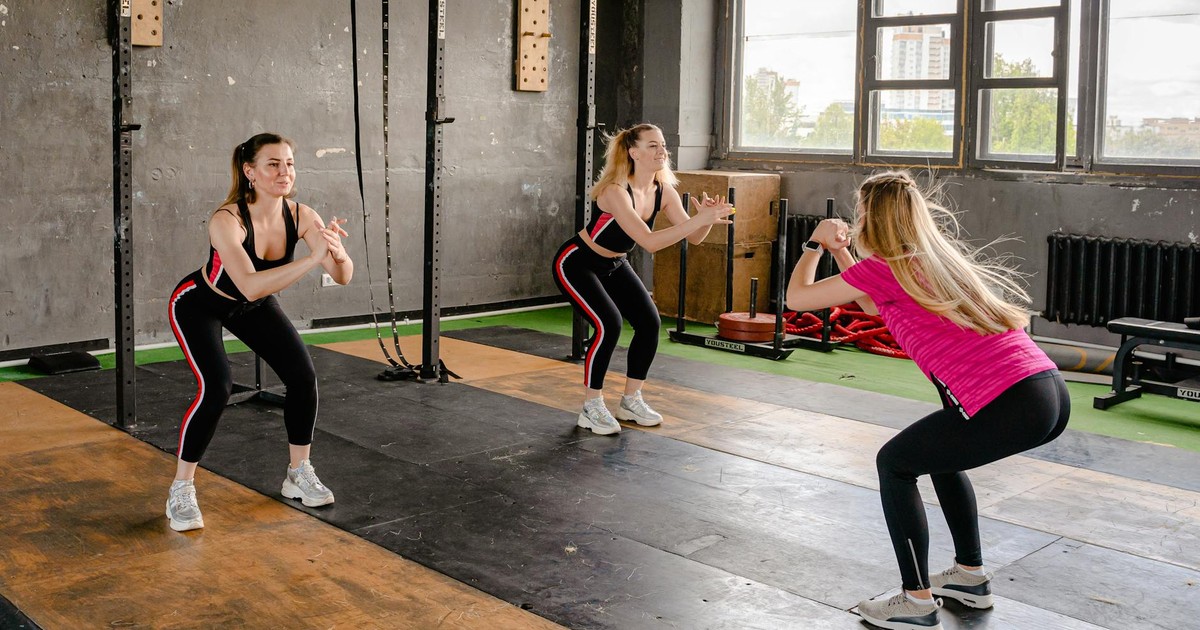
When you think of squats, you might picture athletes in a gym, but this exercise is far more versatile. It’s a foundational movement that fits seamlessly into any regular exercise routine, offering benefits that extend well beyond the weight room. By engaging multiple muscle groups, squats provide a comprehensive workout that supports overall health and vitality.
At their core, squats are a powerhouse for strengthening your lower body. They specifically target the glutes and quadriceps, the large muscles in your buttocks and thighs. But the engagement doesn’t stop there. As you perform a squat, you also activate your core muscles, which include the obliques, helping to stabilize your torso. Other muscles that benefit from this movement are the hip muscles, calves, and hamstrings, making it a full lower-body exercise.
Beyond muscle building, squats burn calories and might help you lose weight. This calorie expenditure contributes to weight management when combined with a balanced diet. More importantly, squats lower your chances of injuring your knees and ankles. As you exercise, the movement strengthens your tendons, bones, and ligaments around the leg muscles. It takes some of the weight off your knees and ankles, reducing strain on these joints. They help make your knees more stable, too, which is crucial for everyday activities and athletic performance.
What’s more, squats may also help boost your bone mineral density for stronger bones. This added strength to your skeleton, mainly in the spine and lower body, can be particularly beneficial as we age, helping to prevent conditions like osteoporosis. Squats improve your flexibility, too. As you become older, your tendons, muscles, and ligaments become less elastic. Regularly doing squats can help slow down this process and limber you up, maintaining range of motion and reducing stiffness.
Squats help you feel and look good. Squatting helps shape up your legs and butt since it targets the glute and inner thigh muscles. As your buttocks become firm, your posture and balance might improve, leading to better alignment and reduced back pain. This aesthetic and functional boost can enhance confidence and daily comfort.
To reap these benefits safely, it’s essential to do squats the right way to protect yourself from getting injured. Poor form can take a toll on your spine and knees over time, potentially leading to chronic issues. Follow these steps for proper technique: Stand with your feet apart and parallel to each other. Place your hands on your thighs. Look up and lift your chest. Bend your knees to a 90-degree angle, putting all your weight on your heels and sitting back slowly. Your knees shouldn’t go beyond your toes, and your head and chest should stay upright. Hold the position for 5 seconds. Rise back up, pressing through your heels, and straighten your hips back to the starting position. Repeat five times to start, gradually increasing as you build strength.
Squats are one of the most effective strength-training exercises around. If you’re not working out already, talk to your doctor before you get started. They can let you know if squats are safe for you to do, especially if you have pre-existing conditions like joint problems or heart issues. You might also want to think about working with a professional strength trainer, who can make sure you’re using the right form and tailor the exercise to your fitness level.
Incorporating squats into your routine can transform your health, from building muscle and bone strength to enhancing flexibility and stability. Start slowly, focus on form, and consult experts to make this exercise a safe and rewarding part of your wellness journey.