
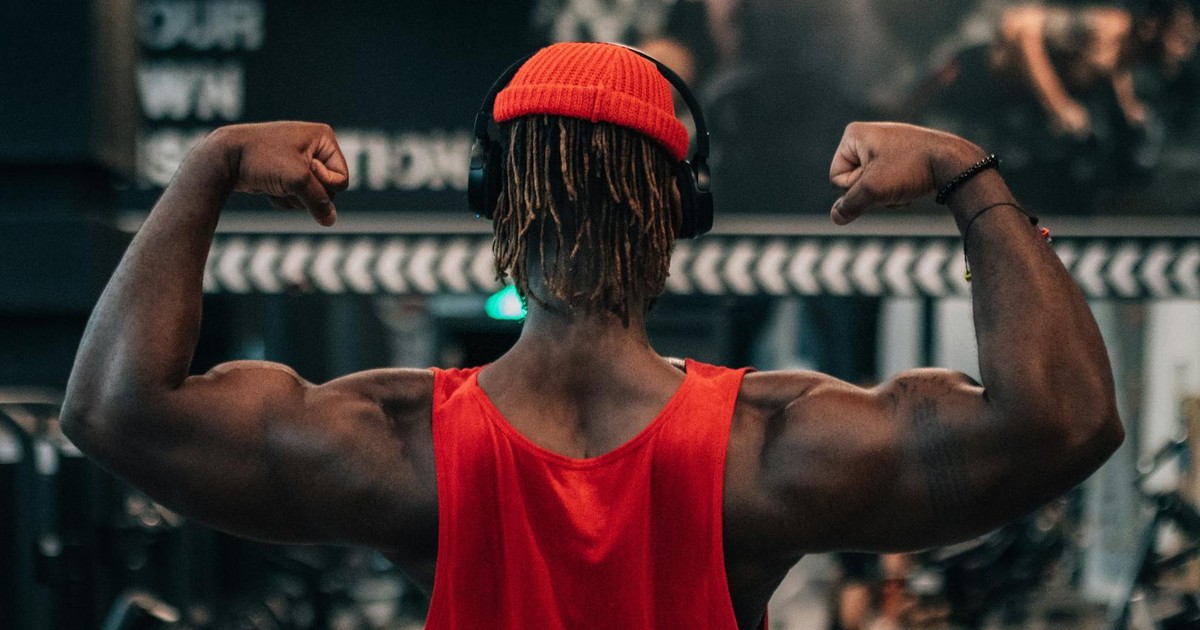
Can you truly build a stronger upper body without any special gear? Absolutely. Using just your own body weight, you can target muscles in your arms, shoulders, chest, and back to enhance overall fitness. This approach not only saves time and money but also allows for flexibility in where and when you exercise. Let’s explore the mechanics and benefits of equipment-free upper body training, along with practical exercises and safety tips to help you get started.
Engaging in regular upper body workouts offers numerous health advantages. These routines can increase general strength and endurance, which supports daily activities and improves physical resilience. Additionally, they contribute to higher bone density, helping to prevent bone mass loss over time. For those dealing with chronic back pain, strengthening the upper body can provide relief by improving posture and stability. Such exercises also boost metabolism, aiding in weight management, and enhance joint stability, reducing the risk of injuries. By focusing on these areas, you’re investing in long-term wellness.
Key Exercises for an Equipment-Free Upper Body Workout
To effectively work your upper body without equipment, incorporate a variety of movements that challenge different muscle groups. Here are some foundational exercises to include in your routine.
Push-ups
Begin by kneeling on the ground and placing your hands slightly wider than your shoulders. Transition to your feet, positioning them hip-width apart and aligned with your body. Ensure your feet are not turned inward or outward. Maintain a straight line from your shoulders to your hips, keeping your lower back stable. Engage your core to prevent your hips from sagging. Press into your hands as you bend your elbows, lowering your entire body toward the ground in one controlled motion. Once you’ve reached your lowest comfortable point, push back up to the starting position. This exercise primarily targets the chest, shoulders, and triceps.
Wall Push-ups
For beginners or those recovering from injuries, wall push-ups offer a gentler alternative. Stand a few feet away from a wall with your arms raised to shoulder height. Place your palms on the wall slightly wider than your shoulders. Step back so your elbows bend and you lean forward. Inhale, then exhale as you push yourself away from the wall. Inhale again as you return to the starting position. This variation reduces strain while still engaging the upper body muscles.
Tricep Dips
Find a stable object at knee height, such as a chair. Sit on the edge with your hands placed on either side of your hips. Slide forward until your backside is off the seat and your hands support your weight. Keep your feet flat on the ground with knees bent at a 90-degree angle. Lower your body toward the ground as far as comfortable, then use your arms to push back up until they are straight. This exercise focuses on the triceps and shoulders.
Arm Circles
To enhance shoulder strength and stability, stand in an open area with your arms extended straight out to the sides at shoulder level. Move both arms in small circles, completing about 20 in one direction before reversing. For added intensity, increase the size of the circles or speed up the movement. This simple exercise improves circulation and muscle coordination.
Downward Dog
This yoga pose is an excellent addition to upper body workouts. Start in a push-up position and lower your body toward the ground. Instead of pushing back up, shift your weight backward and lift your hips to form an inverted “V” shape. Straighten your back, relax your shoulders, and keep your palms flat on the ground. Downward dog stretches and strengthens the shoulders, arms, and back.
The Importance of Stretching for Upper Body Health
Incorporating stretches into your routine is crucial for maximizing the benefits of upper body workouts. Stretching before exercise helps loosen muscles, reducing the risk of injury. After physical activity, it promotes range of motion and flexibility. Hold each stretch until you feel slight discomfort, typically for at least 20 seconds, but stop if you experience pain. Focus on muscles used during your exercises and repeat stretches a few times. Benefits include increased flexibility, improved circulation, enhanced muscle performance, decreased risk of muscle injuries, reduced stiffness and soreness, lower tension, and better relaxation.
Try these upper body stretches: Reach your arms straight behind you, interlace your fingers, and lift your hands toward the ceiling. Bend one elbow so your hand rests on the back of your neck, then use your other arm to gently pull the bent elbow behind your head, repeating on the other side. Stand upright with arms at your sides, lock your hands together, and draw your shoulder blades toward each other. Loosen your shoulders by moving them up and down in a controlled manner.
Expert Tips for Effective and Safe Workouts
For beginners or those without equipment, bodyweight exercises are an ideal starting point. Aim to exercise regularly to reap full benefits; three to four days per week is a good goal, but even one or two days can be effective depending on your starting level. Allow your muscles two days of rest between upper body sessions to promote recovery and growth.
Pay close attention to your form during each exercise to ensure you’re targeting the correct muscles. Some movements may seem easy without weights, but perform repetitions until you notice your form breaking due to muscle fatigue—this indicates a set. Complete a few sets if possible, resting for 30 to 60 seconds between them. To protect your joints, avoid locking them during any upper body exercise.
Listening to Your Body for Optimal Safety
Always monitor how your body feels during your workout. If you experience any pain, stop immediately. Consulting with a healthcare provider or fitness professional can help determine which movements are safe for you, especially if you have pre-existing conditions or are recovering from an injury. By prioritizing safety and consistency, you can build upper body strength effectively and sustainably.