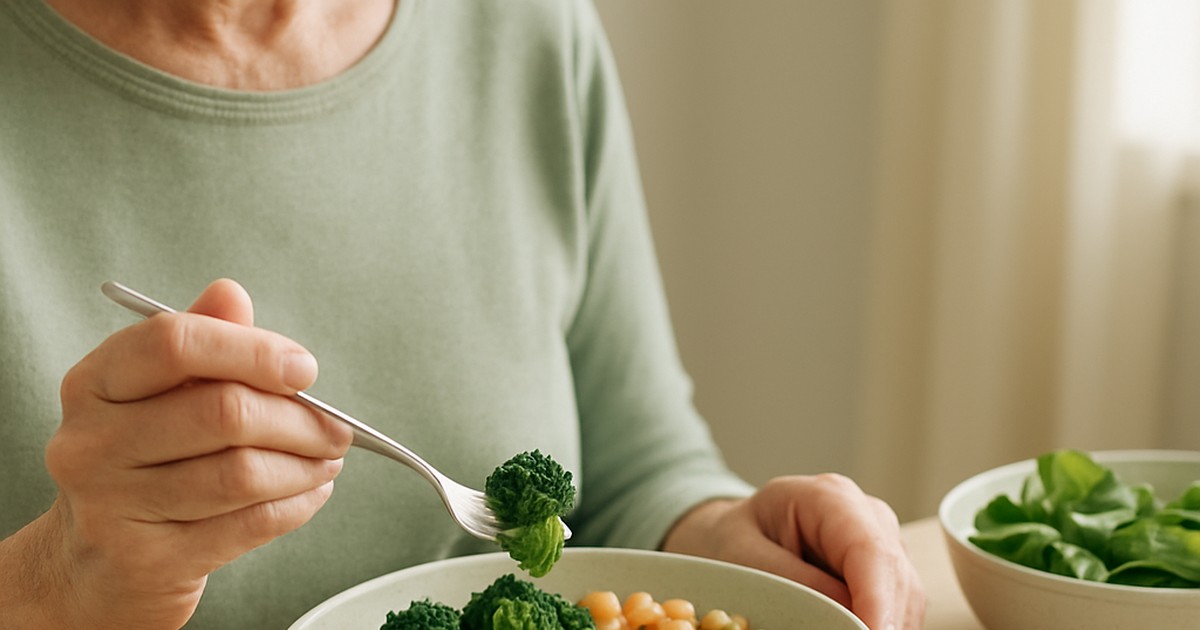

It’s a common frustration: watching others indulge without consequence while you struggle with weight. But understanding the mechanics behind weight gain can shift that focus. At its core, weight gain occurs when you consume more calories than your body expends. Dietary fats are broken down into fatty acids, which circulate in the bloodstream to fuel cells. Any excess is stored as triglycerides in fat cells, which have a nearly limitless capacity for expansion—often settling in areas like the hips or abdomen. While genetics and environment play roles, the energy balance is key; for instance, burning off a 500-calorie burger might require an hour of vigorous running.
Historically, this fat storage was a survival advantage. Our ancestors on the Serengeti faced sporadic meals, relying on stored fat for energy between feasts. Today, with constant food access, that mechanism can lead to unwanted weight. Managing hunger becomes crucial, and one effective strategy is incorporating more protein into your diet. By increasing satiety, a high-protein approach can help reduce overall calorie intake, supporting weight loss efforts.
How Protein Tames Hunger for Weight Loss
Yes, a high-protein diet can aid weight loss primarily by making you feel fuller. This satiety effect helps curb cravings and may prevent overeating. However, it’s important to view this as a short-term tool rather than a permanent solution. Lasting weight management depends on sustainable habits, so consult a healthcare provider to tailor a plan that fits your lifestyle and health needs. The most effective eating strategy is one you can maintain long-term.
Top Nutrient-Rich Protein Sources
When boosting protein, prioritize foods that are low in saturated fat and calories. Lean meats—defined as having less than 10 grams of fat, 4.5 grams or less of saturated fat, and under 95 milligrams of cholesterol per 100 grams—are excellent choices. Examples include skinless chicken, skinless turkey, and lean cuts of beef or pork labeled loin or round. Avoid processed meats. Other healthy options encompass seafood, beans, soy products like tofu and tempeh, low-fat dairy, eggs, nuts, and seeds. Diversifying your sources can enhance nutrition; try omega-3-rich fish, fiber-packed lentils, or nuts added to salads or oatmeal.
To gauge your intake, here are protein grams in common servings: 1/2 cup low-fat cottage cheese (12.4 grams), 3 oz firm tofu (9 grams), 1/2 cup cooked lentils (9 grams), 2 tablespoons natural peanut butter (7 grams), 3 oz skinless chicken breast (26 grams), 3 oz fish fillet (17-20 grams), 1 oz provolone cheese (7 grams), 1/2 cup cooked kidney beans (7.7 grams), 1 oz almonds (6 grams), 1 large egg (6 grams), 4 oz low-fat plain yogurt (6 grams), 4 oz soy milk (3.5 grams), and 4 oz low-fat milk (4 grams).
Balancing Carbs and Fats
While increasing protein, don’t neglect other nutrients. Include healthy carbohydrates such as fruits, vegetables, whole grains, beans, legumes, and low-fat dairy. Incorporate beneficial fats from nuts, seeds, olives, extra virgin olive oil, canola oil, fish, and avocados. To manage appetite effectively, consider splitting daily calories into four or five smaller meals or snacks.
Safety Considerations for High-Protein Diets
For generally healthy individuals, a high-protein diet is usually safe in the short term. However, prolonged use can pose risks. Always discuss with a healthcare provider before starting, especially if you have conditions like kidney disease, diabetes, or take medications. Research on low-carb, high-protein diets highlights potential long-term issues: inadequate fiber or nutrient intake leading to bad breath, headaches, and constipation; increased heart disease risk from non-lean meats high in saturated fat, which can raise LDL (“bad”) cholesterol; and impaired kidney function due to waste products from protein metabolism.
Frequently Asked Questions
What is the 90-30-50 method? This diet plan involves consuming 90 grams of protein, 30 grams of fiber, and 50 grams of healthy fats daily, often promoted for weight loss and health benefits.
Can I lose belly fat by eating protein? Possibly. Increasing protein while reducing calories may help reduce harmful fat accumulation, particularly in the abdominal area. It also supports muscle preservation during weight loss.
How can I get 70 grams of protein a day? Include protein-rich foods in each meal and snack. Options include lean meats, seafood, eggs, low-fat dairy, legumes, nuts, and protein powders added to foods or drinks.
By gradually adding protein over a week and focusing on nutritious choices, you can harness its satiety benefits for weight management. Remember, check with a doctor if making significant dietary changes, and aim for a balanced, sustainable approach to health.